Indigenous Forum – First Return: Youth Paddlers and the Rebirth of the Klamath
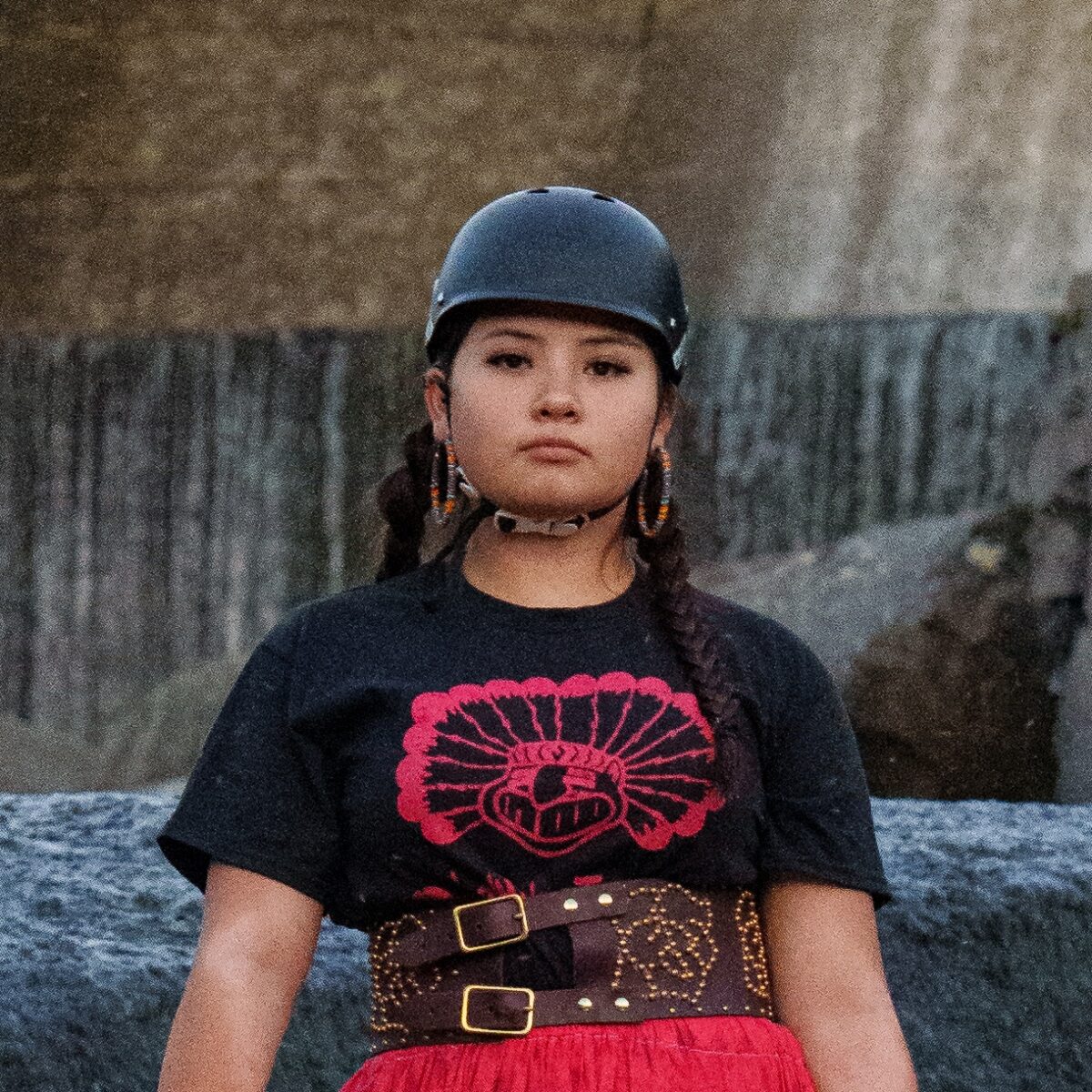
In 2025, following the largest dam removal project in U.S. history, an intertribal cohort of Indigenous youth became the first people in a century to descend a 310-mile stretch of the Klamath River. Their journey to the sea was a ceremony, a protest, and a living testament to the resilience of Indigenous peoples and the ongoing decolonization of the watershed. This panel brings together some of these youth paddlers who will share the story of this historic “First Return” descent. Witnessing salmon return to their ancestral waters for the first time in over 100 years ignited profound hope and serves as an inspiring example of how significant environmental victories can transform the lives, identities, and opportunities of young people who experience them firsthand.
The conversation will also highlight the ongoing work that still needs to be addressed. While four dams on the Klamath River have been removed, two major dams in the upper basin still degrade water quality and threaten the survival of the nearly extinct C’waam (Lost River sucker) and Koptu (shortnose sucker) species, as well as the long-term viability of the recently returned salmon (C’iyaal’s). Hosted by Juliette Jackson, JD, author of Stop Killing the Klamath. With: The Klamath Youth Council: Coley Miller, Melia McNair and Taeliah Eggsman.
Berkeley Ballroom, Residence Inn
Add to your calendar
GOOGLE CALENDAR OUTLOOK APPLE CALENDAR / ICS2026-03-26 16:45:00 | 2026-03-26 16:45:00 to 2026-03-26 18:00:00
Panelists
Juliette Jackson
Indigenous Rights Advocate
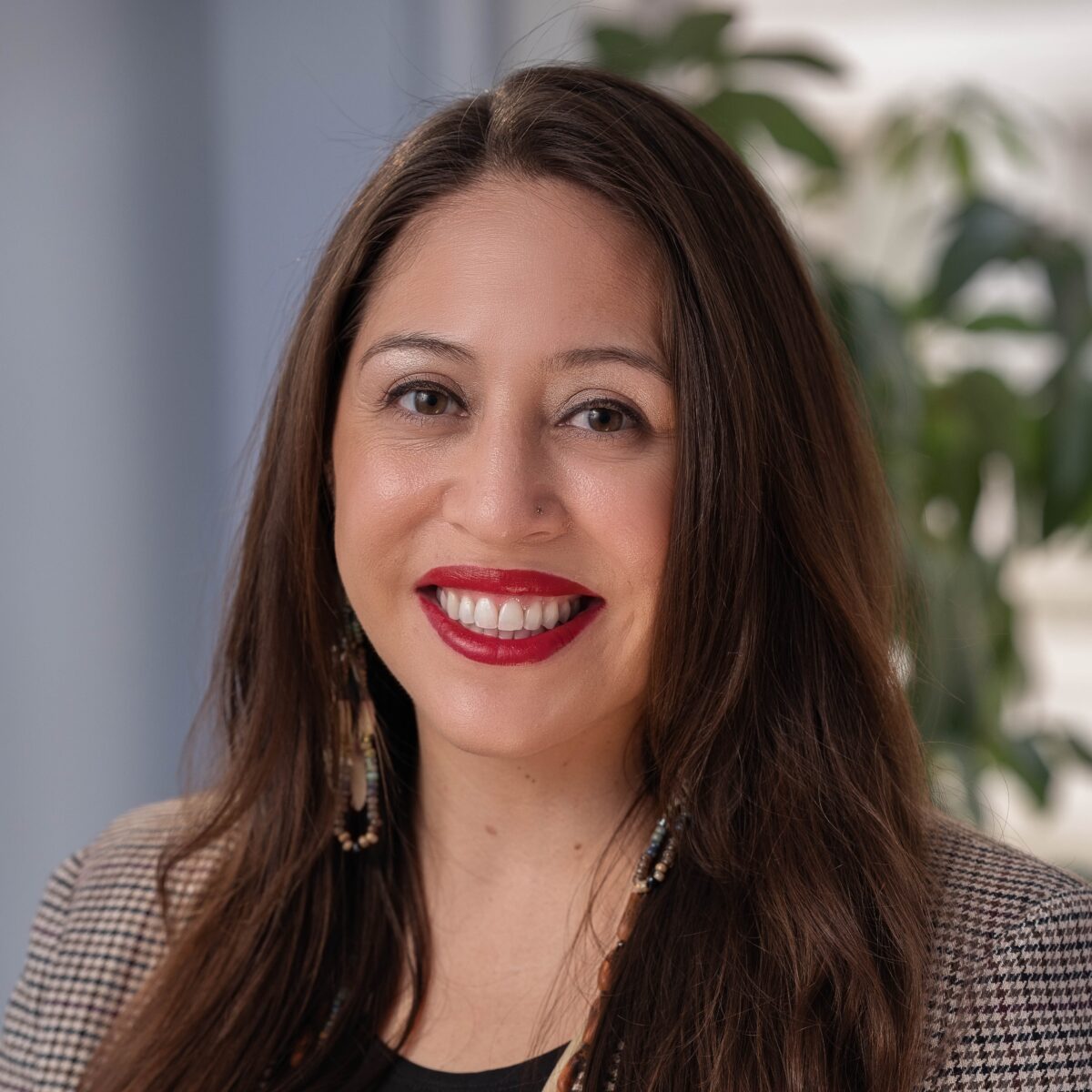
Juliette A. Jackson, J.D, LL.M, an enrolled member of The Klamath Tribes, is an Indigenous rights advocate specialized in energy and environmental law who works at Henkels Law, LLC in Portland, Oregon and also serves as Executive Director of Maqlaqs Gaa’tkni, a native-led nonprofit based in Chiloquin, Oregon. Jackson is also part of the Protecting Mother Earth (PME) Collective, a joint partnership between the Indigenous Environmental Network and Earth Law Center. Her law review article Stop Killing the Klamath: Rights of Nature Protections with Tribal Law, the National Historic Preservation Act, and Collaborative Management Strategies for a Tribe on the Front Lines of Climate Change, has attracted substantial attention in the field of tribal environmental justice.
Coley Kakols Miller
First Descent Youth Paddler
Coley Kakols Miller, a citizen of the Klamath Tribes, is a Modoc and Klamath youth born and raised at the headwaters of the Klamath River watershed. A high school freshman living on her tribal territory in Southern Oregon and Northern California, Coley was among more than 30 young people who participated in the historic first descent of the Klamath River after the largest dam removal in history. She remains a passionate advocate for removing the last two dams on the Klamath River, working to ensure the Klamath Tribes’ treaty-protected resources are restored to provide for future generations.
Melia McNair

Youth Council Secretary
Klamath Tribes
Melia McNair, 15, of Klamath, Modoc, and Filipino ancestry, a sophomore in the Dual Language Immersion program at Rex Putnam High School in Milwaukie, OR, is currently the Klamath Tribes Youth Council Secretary and a passionate advocate for free-flowing rivers, environmental justice and human rights. An experienced paddler, she participated in the historic first kayaking descent of the almost undammed Klamath River in the summer of 2025. Melia also enjoys dancing and singing at powwows and has been practicing taekwondo since she was five years old and is currently an instructor.
Taeliah Eggsman